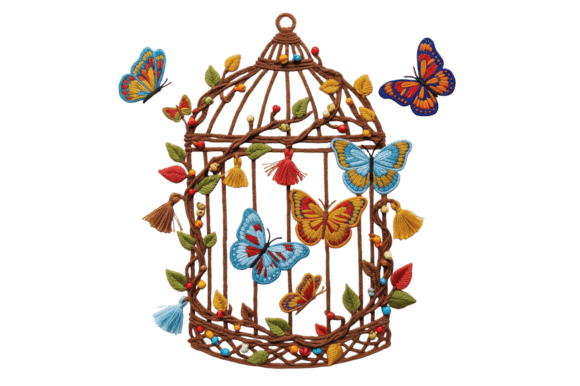
Butterfly with Case Embroidery
A Thoughtful First Impression for Boutique Apparel Designers
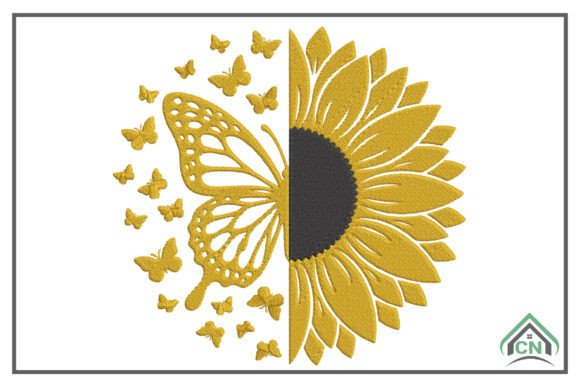
As an embroidery designer who’s developed collections for small clothing brands and Etsy sellers over the past decade, my first glance at Butterfly with Case Embroidery landed somewhere between nostalgic charm and modern versatility. It reads as quietly elegant—not overly fussy, not minimalist to a fault—but rich in storytelling. The butterfly motif feels intentional and delicate, while the case adds structure and a subtle vintage collector’s sensibility. Visually, it leans feminine and timeless rather than trend-driven, making it ideal for boutique apparel that prioritizes longevity over fleeting novelty. Its decorative strength lies in balance: enough detail to hold attention at 3–4 inches, but clean enough to avoid visual fatigue on repeat wear. For handmade product lines—especially those rooted in nature, mindfulness, or slow fashion—it carries quiet premium weight without demanding luxury pricing.
How Butterfly with Case Embroidery Performs Across Apparel Types
I tested placement options across several garment categories common in small-shop production. On neutral sweatshirts (heather grey, oatmeal, soft black), the design anchors beautifully at chest level—small enough to feel intentional, large enough to read clearly in lifestyle product photos. For pastel hoodies (dusty rose, mint, lavender), it gains gentle contrast without competing with fabric tone. On dark garments like charcoal fleece or navy denim jackets, I recommend testing thread colors with high-contrast options (ivory, pale gold, or deep plum) to preserve legibility—especially in the wing veins and case outline.
For oversized garments, Butterfly with Case Embroidery shines as a sleeve accent or back-center statement. Its vertical orientation flows naturally along seam lines and curved shoulders. On t-shirts, it works best on mid-weight cotton blends—not ultra-thin jersey—due to stitch density; I’d avoid placing it directly over side seams or underarm gussets where stretching occurs. As a tote bag design, it holds up exceptionally well near the top hem or centered on the front panel, where tension remains stable during daily use.
Strategic Placement & Fabric Considerations
This machine embroidery design isn’t built for micro-placement. Avoid cramming it into tiny chest pockets or narrow cuff bands. Instead, lean into its natural scale: 3.5–4.5 inches wide is where its personality breathes. On ribbed fabric (like hoodie cuffs or crewneck bands), stabilize aggressively—cutaway + tear-away combo prevents puckering around the case’s straight edges. Fleece and French terry respond well if you reduce top tension slightly and use a medium-weight cutaway stabilizer underneath.
Curved surfaces—like the rounded chest of a fitted hoodie—require careful hooping. I found success by lightly basting the stabilizer to the garment first, then floating the hoop just above the surface instead of pulling taut. This preserves the butterfly’s graceful wing shape without distortion. Also worth noting: the case element contains tighter stitch areas, so avoid pairing it with ultra-low-thread-count fabrics unless you’ve tested thoroughly.
Impact on Brand Identity & Customer Perception
When used intentionally, Butterfly with Case Embroidery elevates perceived value—not through flash, but through cohesion. It signals care in curation, especially when paired with thoughtful thread colors and consistent placement across a collection. For a small shop product line, that consistency builds recognition faster than any logo. Buyers scrolling Etsy listings or Instagram feeds subconsciously register the butterfly as part of your visual language—especially when repeated across sweatshirts, totes, and denim jackets. That repetition fosters trust: customers begin to associate the motif with quality stitching, intentional design, and brand authenticity.
In printable mockups and social media graphics, this digital embroidery file translates cleanly. Its defined edges and moderate stitch density render sharply even at smaller resolutions—critical for mobile-first browsing. Unlike overly dense floral motifs, it doesn’t blur or pixelate in thumbnail views, supporting strong visual consistency across digital touchpoints.
Practical Designer Notes Before You Stitch
- Always test on scrap fabric that matches your final garment’s weight, stretch, and finish—especially for commercial embroidery runs.
- Confirm stabilizer choice: medium-cutaway works best for most knit apparel; lightweight tear-away may suffice for stable wovens like denim or canvas.
- Review thread color contrast carefully—some versions of this Creative Fabrica embroidery file include suggested palettes, but your garment’s base tone will dictate optimal choices.
- Check hoop size requirements before digitizing or ordering—this design likely fits standard 4×4 or 5×7 hoops, but verify in the file details.
- Inspect stitch density visually in your embroidery software—if wing fills appear overly heavy, consider lightening fill density by 10–15% for stretchy fabrics.
- Compare placement options using printed templates or fabric chalk—chest, sleeve, and back layouts tell different brand stories.
- Before selling finished apparel, review licensing terms in the Needle Arts category listing—this Graphics-type file typically permits commercial use, but confirm scope for your specific business model.
Final Thoughts for Creative Entrepreneurs
Butterfly with Case Embroidery isn’t a “throw-it-on-and-go” design—but that’s precisely why it stands out in today’s saturated custom apparel market. It rewards intentionality: thoughtful thread selection, precise hooping, and strategic placement all amplify its quiet sophistication. For Etsy sellers building a cohesive boutique brand, for small clothing labels launching seasonal capsules, or for embroidery shops curating signature motifs for local clients, this machine embroidery design offers more than decoration—it offers narrative texture. Used with care, it becomes part of a larger story about craftsmanship, calm confidence, and wearable artistry. And in an era where buyers increasingly choose products aligned with personal values, that kind of resonance? That’s not just embroidery. That’s connection.