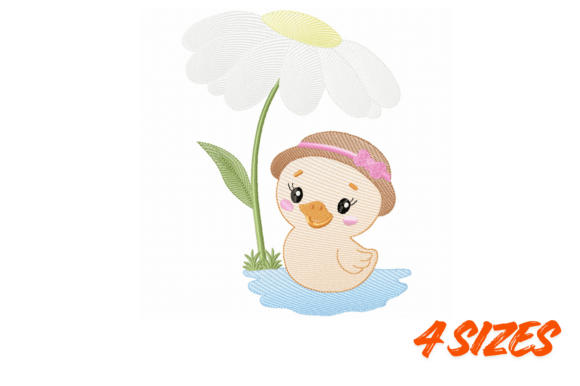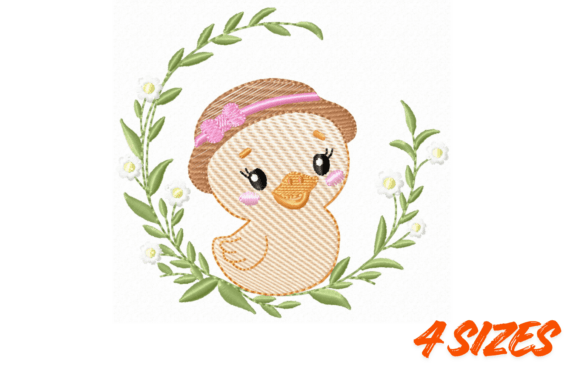
Cute Goose with Bow Embroidery Design
First Impression: Sweet, Playful, and Instantly Recognizable
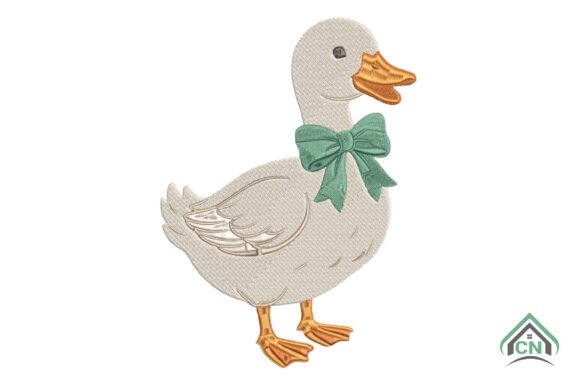
As an embroidery designer who’s curated over 200 craft fair booths in the past decade, my gut reaction to Cute Goose with Bow Embroidery Design is immediate: it’s a mood-lifter. Not overly fussy, not too literal — it lands right in that sweet spot between whimsical and wearable. It reads as soft, friendly, and gently nostalgic — think modern farmhouse meets baby boutique, not cartoonish or cutesy-overload. That bow? It’s the quiet hero — just detailed enough to read clearly at 2–3 inches, but not so intricate it’ll snag or blur on textured fabric. For a machine embroidery design in the Farm Animals category, this one avoids cliché while still feeling warmly familiar.
Where It Shines: Craft Fair-Ready Product Pairings
This design thrives where charm meets utility — exactly what handmade shoppers reach for at markets and on Etsy. On a natural linen tote bag? Perfect. Centered above the pocket or scaled slightly larger on the front panel, Cute Goose with Bow Embroidery Design becomes a conversation starter — gentle, memorable, and photo-ready. As apron embroidery, it works beautifully on the bib or lower pocket — small enough to avoid overwhelming the garment, yet bold enough to catch light and attention from across the aisle.
Tea towel embroidery is where this design truly sings. Cotton or cotton-linen blends hold the stitch definition well, and the goose’s rounded shape mirrors common towel hems and corners. Paired with simple red or sage thread colors, it feels artisanal without trying too hard. For embroidered patches, it scales down cleanly — ideal for attaching to denim jackets, backpacks, or baby blankets. And on small fabric pouches or pillow covers? It adds instant personality without visual clutter.
What Holds Back — And How to Work Around It
Let’s be real: that bow introduces delicate geometry. If the original embroidery file includes fine loops or tight satin-stitched edges under 3mm wide, those areas may lose clarity on thick terry cloth towels or curved cap surfaces. I always recommend testing Cute Goose with Bow Embroidery Design on scrap fabric *before* cutting into your batch — especially if you’re using dark fabric (where thread contrast becomes critical) or heavily textured weaves. Also, confirm the stitch density: overly dense fills can pucker lightweight knits or stiffen delicate baby onesies — a red flag for any serious handmade product meant for skin contact.
It’s not built for micro-applications. Below 1.5 inches, the bow risks becoming a blob — so skip tiny keychains or zipper pulls unless you’ve verified clean scaling. And while it’s joyful, it’s not inherently festive — don’t force it onto holiday-only displays unless paired thoughtfully (e.g., with subtle green thread and a sprig of embroidered mint).
Selling Power: Why Customers Pause, Point, and Purchase
In a crowded craft fair booth, Cute Goose with Bow Embroidery Design delivers three silent sales advantages: emotional resonance, visual rest, and perceived quality. Parents smile. Grandmothers nod. Young makers pause — it feels handmade *and* intentional. Unlike busy geometric patterns or text-heavy slogans, it breathes. That gives your craft fair product space to stand out amid visual noise.
It also strengthens brand consistency. Whether you’re selling on Etsy or at a local farmers’ market, this design quietly signals “thoughtful, cheerful, small-batch.” When repeated across a line — say, matching tea towels, pouches, and baby bibs — it builds recognition without repetition fatigue. And yes, it photographs exceptionally well: soft curves, balanced negative space, and clear focal points mean your printable mockup and Instagram flat lay will convert.
Production Notes Every Embroidery Designer Should Check
- Test first: Run Cute Goose with Bow Embroidery Design on your actual fabric + stabilizer combo — especially for kitchen linens or structured caps.
- Thread contrast matters: Light fabrics? Try navy or brick red thread for warmth and definition. Dark fabrics? Cream, butter yellow, or pale grey keeps it soft but legible.
- Review spacing and hooping: Confirm the design fits comfortably within your standard hoop size — no awkward trimming or re-hooping mid-run.
- Stabilizer choice is non-negotiable: Use cutaway for knits, tear-away for stable wovens, and heavy-duty for textured towels. Skipping this step guarantees puckering — and lost sales.
- Create at least one real mockup: A finished embroidered tea towel or pouch tells you more than any digital preview ever could.
- Compare fabric colors side-by-side: That “cute” factor shifts dramatically on oatmeal vs. charcoal linen — test before committing to 50 units.
- Verify commercial licensing: Since this is intended for resale as a finished product, ensure your purchase includes rights for commercial embroidery — don’t assume.
Final Verdict: A High-Return, Low-Risk Design Asset
Cute Goose with Bow Embroidery Design isn’t flashy — and that’s its superpower. In a market saturated with loud trends and overdesigned motifs, it offers sincerity, scalability, and shelf appeal. It works equally well as a subtle accent on an apron pocket or a joyful centerpiece on a market bag. For Etsy sellers, boutique makers, and small shop owners building cohesive collections, it’s a versatile, emotionally intelligent addition to your design assets. Just remember: its charm lives in execution — not just concept. Respect the details, honor your fabric, and let the goose do the rest. It’s not just another embroidery file. It’s a quiet invitation to slow down, smile, and choose handmade.