Highland Cow Cute Embroidery Design
First Impressions: Charm Without Compromise
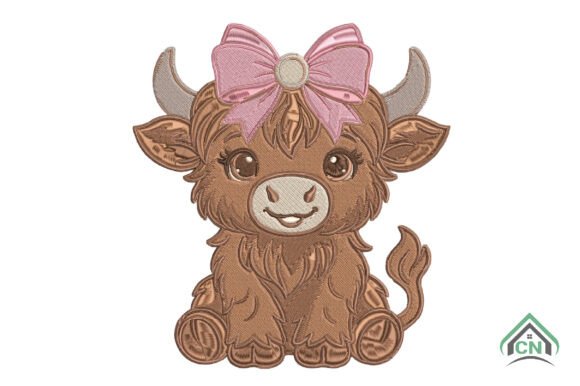
When I opened the Highland Cow Cute Embroidery Design file, what struck me first wasn’t just the whimsy—it was the intentionality. This isn’t a cartoonish caricature slapped onto a hoop; it’s a balanced, friendly interpretation of a Highland cow with soft curves, expressive eyes, and that signature shaggy fringe—rendered in a way that reads clearly at 3–4 inches wide. The design leans into warmth and approachability, making it ideal for baby embroidery, nursery decor, or cozy boutique merchandise. It feels handmade—not overly polished, but thoughtfully composed. That matters when your customers are buying handmade products for emotional resonance, not just decoration.
A Real Project Test: Embroidering a Linen Tote for a Local Farm Shop
Last week, I used the Highland Cow Cute Embroidery Design on a natural linen tote bag destined for a small farm-themed gift shop. We stitched it centered on the front panel, about 3.5 inches tall, using medium-weight cutaway stabilizer and matte cotton thread. The result? Instant recognition and delight—shoppers paused, smiled, and asked, “Is that a real Highland cow?” That’s the quiet power of this design: it bridges authenticity and charm without leaning into kitsch. On textured fabrics like linen or canvas, the satin stitch around the muzzle and ears held crisp definition, while the fill stitch in the body remained breathable—not dense enough to pucker, but substantial enough to feel premium.
Where It Shines (and Where to Pause)
The Highland Cow Cute Embroidery Design excels in contexts where personality and softness drive appeal:
- Custom apparel: Works beautifully on sweatshirt cuffs, pocket flaps, or the chest of organic cotton tees—especially for baby clothing lines or toddler-sized hoodies.
- Tote bag design and pillow covers: Its compact silhouette fits standard 4x4 hoops comfortably, and the rounded shape avoids awkward corners on curved surfaces like pillow seams.
- Personalized gifts: Paired with a child’s name in simple block lettering (stitched separately), it becomes a standout holiday embroidery piece or first-birthday keepsake.
- Etsy seller assets: As a digital embroidery file, it’s versatile enough for printable mockups—showcasing well on both light and dark fabric backgrounds in lifestyle shots.
That said, proceed with care on:
- Stretchy fabric: The design includes fine running stitch details in the fringe—test thoroughly on knits. A lightweight tear-away + topping combo helps prevent distortion.
- Dark fabric: While the stitch density is moderate, avoid very dense black thread on deep navy or charcoal unless you’ve verified contrast in a test run. Lighter thread shades lift the design’s friendliness.
- Caps and curved surfaces: The bottom edge sits flat—but if stitching near the bill seam, reduce size slightly or reposition to avoid tension issues.
- Frequent-wash items: Not a concern for construction, but remind buyers to turn garments inside-out before laundering. The design’s clean outlines hold up well over time—if stabilized properly.
Design Integrity Meets Commercial Practicality
As someone who reviews embroidery files for craft business clients, I pay close attention to how a machine embroidery design affects perceived value. The Highland Cow Cute Embroidery Design elevates a plain tote or onesie without demanding premium pricing—it feels special, but not intimidating. That balance is rare. Customers associate its gentle expression with trust and care, which strengthens brand consistency for small shop owners building a warm, nature-inspired identity.
It also performs well across customer touchpoints: the shape reads instantly in thumbnail listings (key for Etsy sellers), translates cleanly into line-art previews for digital product listings, and photographs evenly under natural light—no hot spots or shadowed areas that muddy detail. That reliability saves time on retouching and builds confidence in your finished product.
Designer Notes You’ll Actually Use
Before stitching your first client project or batch-producing items, take these practical steps:
- Test on scrap fabric—especially if using textured, dark, or stretchy material. Note how the fringe details register.
- Check thread color contrast in both daylight and indoor lighting. A warm taupe or oatmeal thread often reads more authentically than stark white on cream fabric.
- Review stitch density visually in your embroidery software. Look for tight clusters—this design avoids them, but always verify.
- Confirm hoop size compatibility. If your smallest production hoop is 3x3, resize down carefully—don’t sacrifice legibility in the eyes or nostrils.
- Inspect small details in black-and-white mode. Does the cow still read as friendly? Does the fringe suggest texture without dissolving?
- Use proper stabilizer—cutaway for woven fabrics, lightweight tear-away + topping for knits. Skipping this undermines the design’s clarity.
- Verify licensing before selling finished items or bundling the digital embroidery file. Terms vary—check whether commercial embroidery or resale of stitched goods is permitted.
Final Thought: More Than Just Cute
“Cute” is easy. “Cute that holds up, sells well, and makes people pause mid-scroll”—that’s the benchmark. The Highland Cow Cute Embroidery Design meets it. It’s rooted in the Baby Animals category, yes—but its strength lies in execution, not just theme. Whether you’re an embroidery designer sourcing reliable assets, an Etsy seller building seasonal collections, or a small shop owner curating locally loved goods, this design earns its place in your active library. It doesn’t shout. It invites. And in handmade product markets, that kind of quiet confidence is worth every stitch.