Pilot Teddy Bear Airplane Embroidery
First Impression: Whimsical Adventure with Instant Charm
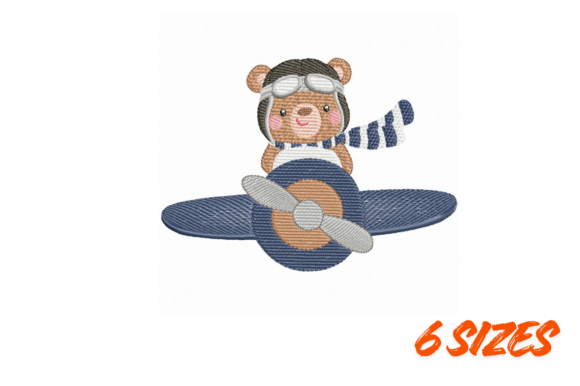
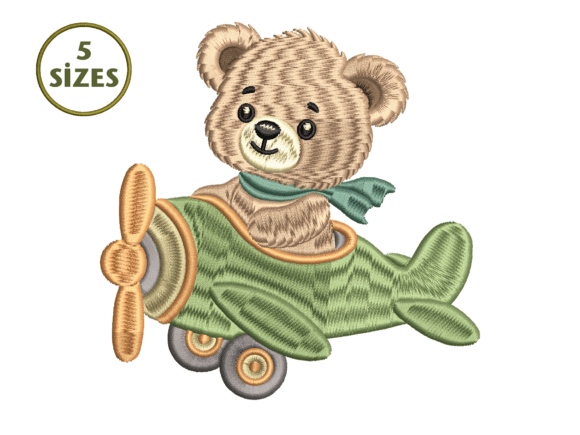
As an embroidery designer who’s prepped over 200 craft fair booths, my gut reaction to Pilot Teddy Bear Airplane Embroidery is immediate: it’s a smile magnet. It lands squarely in the “whimsical adventure” sweet spot—neither too cutesy nor overly technical. The image of a cuddly tan teddy bear wearing a teal scarf, flying a vintage-style green propeller plane, reads as warm, confident, and story-rich. It’s not farmhouse, not minimalist, not rustic—it’s soft storytelling with vintage charm and modern appeal. That balance makes it unusually versatile for handmade markets where shoppers scan quickly but buy emotionally.
Where It Shines: Craft Fair Products That Sell
In my booth setup—featuring embroidered tote bags, aprons, tea towels, patches, caps, fabric pouches, pillow covers, and market bags—Pilot Teddy Bear Airplane Embroidery performs strongest on three categories: embroidered patches, tote bag designs, and pillow covers. Why?
- Patches let the design breathe at 3–4 inches wide—the perfect scale to showcase the scarf drape, propeller detail, and bear’s expressive silhouette. Customers love stitching them onto backpacks or denim jackets, making each piece feel personalized.
- Tote bags (especially natural canvas or oat linen) give the design room to anchor the front panel without overwhelming. The vintage green plane pops against neutral fabric, and the teal scarf adds just enough color contrast to catch eyes from six feet away.
- Pillow covers turn the design into a focal point for adventure-themed nurseries—a key selling moment for Etsy sellers and boutique makers targeting new parents.
It’s less ideal on curved surfaces like caps unless scaled down to 2.5 inches max and placed on the front panel with careful digitizing adjustments. On tea towel embroidery, it works beautifully when centered on the hem or corner—but avoid placing it near folded hems where stitch density could cause puckering.
Real-World Visibility & Online Conversion
This is where Pilot Teddy Bear Airplane Embroidery earns its keep. It photographs exceptionally well: clean outlines, strong color blocks (tan bear, teal scarf, green plane), and no tiny facial features that blur in smartphone shots. That means your printable mockups and Etsy listings will convert faster than busier woodland animal motifs. Buyers scrolling past dozens of embroidery files instantly grasp the narrative—no decoding needed. As a digital embroidery file, it’s highly discoverable for search terms like “adventure nursery embroidery,” “teddy bear plane patch,” or “vintage airplane machine embroidery design.”
Production Practicality: Batch-Friendly, But Not Foolproof
Yes, this design is repeatable for batch production—but only if you respect its nuances. The scarf folds and propeller blades introduce moderate stitch density, especially where teal thread overlaps tan. I recommend testing on scrap fabric first, using medium-weight cutaway stabilizer for woven cottons and tear-away for tea towels. Avoid dense terry cloth or heavily textured toweling unless you reduce density by 10–15% in those zones.
Small shop owners should know: this design doesn’t rely on micro-details (no tiny lettering, no eyelash stitches), so it holds up well at 2.75"–4.5". But shrink it below 2", and the scarf loses definition and the plane’s propeller blurs. Also, on dark fabric, confirm your thread colors have enough contrast—teal on navy may mute; swap to a brighter turquoise if needed.
Booth Impact & Buyer Engagement
In person, Pilot Teddy Bear Airplane Embroidery drives engagement because it invites conversation. Parents point and say, “Oh—my son loves planes!” Grandparents linger over the nostalgia of the vintage plane. Teachers ask about classroom-themed aprons. That emotional hook elevates perceived value: a $28 embroidered tote feels like a curated keepsake, not just a handmade product. Paired with other Woodland Animals designs, it strengthens brand consistency—think “adventure forest” rather than random critters. And unlike generic floral or monogram motifs, it gives your booth a memorable theme that customers recall weeks later.
Designer Notes You Can’t Skip
Before cutting your first production run:
- Test the machine embroidery design on scrap fabric matching your final product (e.g., canvas for totes, terry for towels).
- Check thread contrast—especially teal on light tan or green on off-white. Swap threads if needed for clarity.
- Review spacing between bear and plane: tight gaps risk thread bridging; adjust underlay if hooping reveals crowding.
- Confirm hoop size compatibility—most versions fit standard 4x4 hoops, but verify before ordering the embroidery file.
- Inspect stitch density in scarf folds and propeller tips—reduce fill if you see excessive buildup.
- Use appropriate stabilizer: cutaway for stretchy knits, tear-away for stable wovens, and fusible + tear-away combo for tea towels.
- Create at least one real mockup—not just a digital preview—to assess how the design sits on fabric drape and weight.
- Compare fabric colors side-by-side: a “tan” bear on cream vs. oat vs. ecru changes warmth dramatically.
- Verify commercial embroidery rights—this is essential whether you’re selling finished products or offering the digital embroidery file directly.
Final Thought: A Standout in a Saturated Market
In a sea of generic bears and overused florals, Pilot Teddy Bear Airplane Embroidery stands out by doing one thing exceptionally well: telling a joyful, gender-neutral, ageless story. It’s not just another craft fair product—it’s a conversation starter, a nursery heirloom in the making, and a reliable seller for Etsy sellers, small shop products, and creative entrepreneurs building signature collections. When executed with attention to fabric, stabilizer, and thread, it delivers premium handmade quality without premium complexity. Just remember: test, compare, and trust your eye—not just the file. Your booth—and your buyers—will thank you.