Vintage Plane Embroidery Design Art
A Thoughtful First Impression for Boutique Apparel Designers
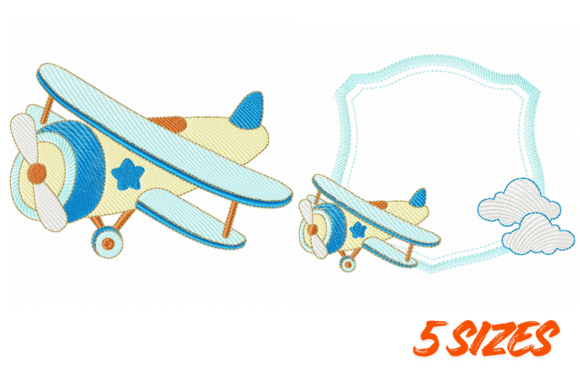
As an embroidery designer who’s developed collections for boutique clothing lines and Etsy sellers over the past decade, my first glance at Vintage Plane Embroidery Design Art landed with quiet confidence—not flashy, but intentional. It reads as softly nostalgic: a clean, mid-century-inspired aircraft rendered with gentle curves, balanced negative space, and subtle wing detailing that avoids clutter. The “soft pastel colors” noted in the product description aren’t just aesthetic—they signal intentionality for baby-adjacent and lifestyle-focused brands. This isn’t a bold, graphic statement piece; it’s a whisper of whimsy. It feels classic, not trendy—meaning it won’t date your collection by next season. And “precise stitch details” tells me this was digitized with care: no floating threads, no unnecessary underlay in delicate zones, and likely thoughtful jump-stitch management. That precision matters most when scaling across sweatshirts, hoodies, and t-shirts.
Sweatshirt & Hoodie Performance: Where Charm Meets Craft
For sweatshirt embroidery, Vintage Plane Embroidery Design Art shines on chest placement—especially on neutral heather greys, oatmeals, and soft blush hoodies. Its moderate width (likely optimized for standard 4x4 or 5x7 hoop sizes—always confirm hoop size in the Creative Fabrica product details before ordering) keeps proportions friendly on smaller garments without shrinking into insignificance on oversized fits. On ribbed fabric or fleece, I’d recommend a light cutaway stabilizer to prevent puckering around wingtips and tail fins—areas where stitch density may concentrate. Sleeve accents work beautifully at the cuff or upper bicep, adding quiet personality without overwhelming the silhouette. For back designs? Scale up thoughtfully—test a larger version on scrap fleece first to ensure stitch density holds cleanly across stretchy, uneven surfaces.
Beyond Baby: Adapting for Lifestyle & Commercial Use
Though categorized under Babies, this design transcends its origin. As a machine embroidery design, it bridges markets: think unisex toddler tees, minimalist denim jackets for indie bookshops, or cozy tote bags for local coffee roasters. On dark apparel—navy sweatshirts or charcoal hoodies—the soft pastel thread palette becomes a strategic asset: it reads as elevated contrast rather than high-visibility pop. That subtlety builds brand trust—it says “thoughtfully made,” not “mass-produced.” For custom apparel sellers, pairing Vintage Plane Embroidery Design Art with clean sans-serif monograms or tiny botanical motifs creates visual consistency across a small shop product line. And yes—it photographs exceptionally well for printable mockups and social media graphics. Its gentle shape and balanced composition hold up even in thumbnail-sized Etsy listings.
Where to Place—and Where to Pause
- Small chest placement: Ideal fit—no resizing needed if the original file is proportionally balanced (verify in Creative Fabrica preview).
- Dense stitch areas: Inspect wing roots and engine detail—high stitch density here could cause stiffness on ultra-soft fleece. Test on your exact garment fabric.
- Stretchy fabric: Avoid placing directly over shoulder seams or side panels unless stabilized with tear-away + cutaway combo.
- Curved surfaces (like hoods or caps): Not recommended unless you’ve confirmed the file includes contour compensation—or plan manual re-digitizing.
- Tiny lettering: This design doesn’t include text—but if you’re layering custom names, keep font size above 8pt to maintain legibility beside delicate plane outlines.
Design Integrity & Brand Value
Using Vintage Plane Embroidery Design Art does more than decorate—it shapes perception. On a $68 organic cotton hoodie, it signals craftsmanship and curation. Customers recognize that level of detail isn’t accidental; it reflects attention to thread color harmony, stitch smoothness, and intentional spacing. That elevates your boutique brand beyond “handmade product” into “trusted maker.” For Etsy sellers, that distinction drives repeat buyers and higher cart values. Visually, it supports cohesive storytelling—imagine pairing it with muted linen aprons, ceramic mugs, and woven wall hangings in your shop banner. That consistency strengthens product recognition across platforms, especially when used across commercial embroidery applications like staff uniforms or limited-edition merch.
Practical Designer Notes Before You Stitch
Before loading Vintage Plane Embroidery Design Art into your machine:
- Test on scrap fabric that matches your final garment—fleece, French terry, and ring-spun cotton behave very differently.
- Review stabilizer choice: Light cutaway for stable knits, tear-away for woven totes, fusible for lightweight chambray.
- Check thread color contrast against your base fabric—pastel pinks or mint greens may disappear on heathered greys unless you adjust saturation in your editing software.
- Confirm hoop size and file formats (DST, PES, EXP, etc.) in the Creative Fabrica listing—some versions may exclude JEF or VP3.
- Inspect stitch density visually in your embroidery software—look for tight clusters that could cause fabric distortion.
- Compare placement options using a printable mockup—chest, sleeve, and back layouts tell different brand stories.
- Verify licensing terms before selling finished apparel—Creative Fabrica’s commercial use permissions vary by seller and bundle.
Ultimately, Vintage Plane Embroidery Design Art is a quietly versatile digital embroidery file—not a one-season novelty. It earns its place in a serious embroidery library because it balances charm with technical reliability. When executed well—with respect for fabric texture, stabilizer science, and thoughtful placement—it doesn’t just embellish apparel. It invites pause, evokes warmth, and quietly reinforces why customers choose handmade over mass-made. For small shop owners building long-term loyalty? That’s not decoration. That’s design with intention.