Dad Est. 2026 Machine Embroidery
A Designer’s First Look: Warm, Minimalist, and Full of Heart
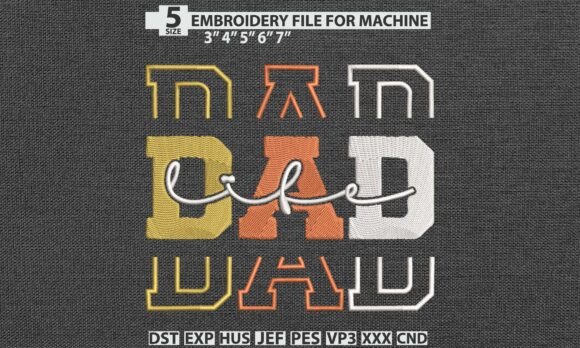
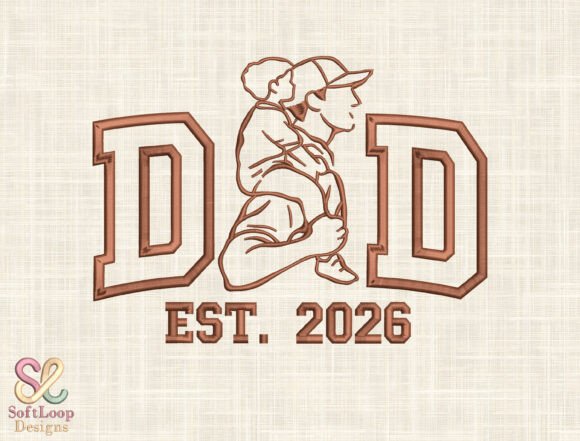
As an embroidery designer who’s stitched over 300 personalized gift collections for baby boutiques, wedding studios, and Etsy shops, I opened Dad Est. 2026 Machine Embroidery expecting charm—and got genuine emotional resonance. The first impression? A quiet confidence. This isn’t a loud or cartoonish “Dad” design—it’s a minimalist line-art illustration of a father and child, clean and intentional, with subtle warmth radiating from its simplicity. It feels handmade without being rustic, modern without feeling cold, and timeless without leaning into cliché. That “Est. 2026” detail is genius: it invites personalization while anchoring the design in hope, anticipation, and new beginnings—perfect for baby announcements, pregnancy reveals, or even pre-wedding keepsakes.
Where This Design Truly Shines
Dad Est. 2026 Machine Embroidery excels where emotional storytelling meets practical versatility. For baby embroidery, it softens beautifully on organic cotton blankets, muslin swaddles, and knit onesies—especially when paired with gentle thread colors like oatmeal, slate blue, or heather gray. On embroidered towels and kitchen linens, it adds quiet sophistication to everyday items, transforming a standard cotton towel into a cherished Father S Day heirloom. Pillow covers and nursery decor benefit from its balanced scale and clean lines—it reads clearly at 4–5 inches wide without overwhelming delicate prints or wallpaper.
Wedding gift designers will love how this machine embroidery design bridges tradition and tenderness: imagine it stitched onto a linen apron for the groom’s first cooking lesson with his dad, or subtly placed on the back of a custom tote bag gifted to the father-of-the-bride. For craft fairs and small shop product launches, it performs well as a digital embroidery file that customers instantly “get”—no explanation needed. And because it avoids seasonal motifs (no ties, no baseballs, no grilling icons), it stays relevant year-round, not just in June.
Smart Placement Matters—Here’s Where to Pause
While Dad Est. 2026 Machine Embroidery is remarkably adaptable, thoughtful execution makes all the difference. Avoid placing it on highly textured fabric like terry cloth loops or thick woven jacquard unless you’ve tested stabilizer layers thoroughly—those fine line-art details can blur or snag. Similarly, stretchy baby clothes (think interlock knits or bamboo blends) require lightweight cutaway stabilizer and reduced stitch density to prevent puckering around the figures’ outlines.
Small lettering—especially “Est. 2026”—demands attention. If stitching below 3 inches wide, verify legibility on your test run; some machines compress fine text unevenly. Curved surfaces (like mugs with fabric sleeves or rounded pillow fronts) may distort proportions slightly—always do a printable mockup first. And on dark fabric? Confirm thread color contrast early: matte black thread on charcoal linen reads differently than glossy navy on cotton twill. When in doubt, stitch two versions—one light, one dark—and photograph both in natural light.
Why Customers Choose (and Keep) This Personalized Gift
This isn’t just another embroidery file—it’s a trust signal. When shoppers see Dad Est. 2026 Machine Embroidery on your Etsy listing or boutique shelf, they sense intentionality. They recognize craftsmanship in restraint. That perceived value lifts your entire handmade product line: a $28 embroidered towel becomes a $42 meaningful keepsake. Buyers engage more deeply—they tag friends, save your post, ask about customization options. And because the design evokes universal emotions (pride, legacy, quiet love), it photographs exceptionally well: soft shadows, minimal props, natural lighting let the line art breathe and connect.
Practical Notes Every Embroiderer Should Run Before Stitching
- Test on scrap fabric first—especially if using new thread brands or unfamiliar stabilizers.
- Check thread color contrast across multiple fabric tones—not just white and black, but cream, sage, and heather gray.
- Confirm hoop size compatibility before digitizing or resizing; avoid pushing beyond your machine’s optimal range.
- Review stitch density—minimalist line art should feel airy, not dense or heavy. Over-stitching kills subtlety.
- Use appropriate stabilizer: tear-away for stable wovens, cutaway for knits, and lightweight fusible for sheer fabrics.
- Compare light and dark fabric mockups side-by-side to assess balance and clarity.
- Inspect small details after stitching: ensure “2026” remains crisp and the father-child silhouette retains its gentle flow.
- Verify commercial licensing before selling finished products—this is essential for Etsy sellers, small shop owners, and wholesale partners.
A Design That Grows With Your Business
Whether you’re stitching baby embroidery for a newborn announcement, creating a wedding gift for a soon-to-be father, or curating a curated collection for Father S Day, Dad Est. 2026 Machine Embroidery delivers consistent emotional impact without demanding complex execution. It supports your brand voice—calm, thoughtful, human-centered—while scaling effortlessly across product categories: blanket embroidery, pillow cover accents, custom aprons, and even limited-edition tote bags for parenting collectives. For digital embroidery file sellers, it’s a standout addition—clean, licensable, and deeply giftable. For crafters building a loyal following, it’s proof that less truly is more: one elegant line, one heartfelt date, and endless possibility.