Safari Train Embroidery Design for Kids
A Playful Yet Professional Brand Asset for Small Business Merch
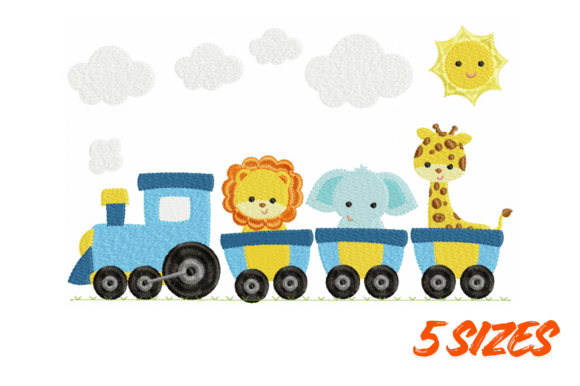
As an embroidery designer who’s developed hundreds of commercial designs for boutiques, cafés, pet brands, and handmade studios, my first impression of the Safari Train Embroidery Design for Kids is immediate and positive: it reads as friendly, bold, and intentionally crafted—not just decorative. The concept—a lion, elephant, and giraffe riding a colorful locomotive—is inherently joyful and cohesive, with strong visual rhythm and balanced character placement. That’s critical when you’re translating a digital embroidery file into real-world small business merch. It doesn’t feel overly cutesy or infantilized; instead, it carries warmth and energy that aligns well with family-friendly brands, children’s boutiques, local bakeries offering “kids’ corner” treats, or florists launching a seasonal nursery collection.
Where This Design Shines in Real Business Applications
The Safari Train Embroidery Design for Kids works exceptionally well as an embroidered patch—especially for boutique merchandise, staff aprons, or tote bag accents. Its clear silhouette and defined animal shapes hold up beautifully at 2.5"–3.5" widths, making it ideal for chest logos on custom apparel or sleeve details on unisex work shirts. I’ve seen similar motifs succeed on café aprons where staff wear them daily: the train motif subtly signals movement, curiosity, and care—values many small businesses want to embody.
For cap embroidery, position it thoughtfully on the front panel or curved bill—it maintains legibility without excessive stitch density, assuming clean digitizing (always verify your embroidery file before production). On tote bags and reusable lunch sacks, it adds instant charm without overwhelming the fabric. As a branded product add-on—say, stitched onto organic cotton baby blankets sold by a handmade shop—it elevates perceived value and supports storytelling: “Our safari journey begins here.” Even for event merch—think local library storytime kits or preschool open house swag—the design reinforces engagement while feeling premium, not mass-produced.
Use With Intention: Key Considerations for Commercial Use
While versatile, the Safari Train Embroidery Design for Kids requires thoughtful placement and testing. Avoid scaling it below 1.75" for patches or cap fronts—fine details like facial features or wheel spokes may collapse or blur, especially on textured fabric like terry cloth towels or looped canvas totes. On dark uniforms (e.g., charcoal aprons), confirm thread color contrast: bright yellows or whites will pop, but pastels may fade visually. Also, inspect spacing between animals and train elements—if the original embroidery file uses tight kerning or thin outlines, those areas may fill in during high-speed commercial embroidery runs.
Stitch density matters. A “colorful locomotive” implies multiple thread colors and possible satin-stitched wheels or windows. Before bulk runs, test the full design on your target fabric with proper stabilizer—especially for stretchy knits or lightweight cotton used in kids’ clothing lines. And never skip the hoop size check: if your embroidery file assumes a 4x4 hoop but your cap frame only accommodates 3x3, repositioning or simplifying becomes necessary.
How It Strengthens Brand Identity and Customer Connection
Small businesses thrive on authenticity and recognition—and the Safari Train Embroidery Design for Kids delivers both when used strategically. Unlike generic clip art, this machine embroidery design communicates personality: playful yet polished, imaginative but grounded. For Etsy sellers or crafters building a handmade product line, it helps unify visual language across packaging, social media mockups, and physical goods. Customers subconsciously associate consistent, well-executed embroidery with attention to detail and brand confidence.
It also invites interaction. Parents notice it on a staff apron and ask, “Is this your theme?”—creating organic conversation and recall. A florist using it on gift wrap tags or mini embroidered sachets signals care and creativity. Even in product packaging accents—like stitching it onto muslin drawstring bags for bath bombs or tea blends—it transforms functional items into memorable brand moments.
Practical Designer Notes Before You Stitch
- Test in black and white first. Assess clarity and contrast without color distraction—this reveals weak outlines or muddy spacing.
- Verify small-patch viability. Resize digitally to 2" wide and print a 1:1 template to hold against actual fabric swatches.
- Review thread color choices. Match your brand palette—not just what’s “cute.” A mustard train with navy thread can feel surprisingly sophisticated.
- Inspect spacing and underlay. Tight corners or overlapping animal limbs may need manual digitizing tweaks for smooth stitching.
- Confirm hoop size and format compatibility. Ensure your embroidery software supports the file type and that your machines handle the expected dimensions.
- Always test on real fabric with the exact stabilizer you’ll use commercially—especially for towels, fleece, or linen blends.
- Create a printable mockup for client approval before digitizing or stitching. Show it on aprons, caps, and tote bags side-by-side.
- Compare beside existing design assets. Does it complement your logo? Does it fit tonally with other Baby Animals or Embroidery files in your library?
- Confirm commercial licensing. If sourcing from a third-party marketplace, ensure the license permits resale on physical products—not just personal use.
Final Thought: More Than Just a Design—It’s a Brand Catalyst
The Safari Train Embroidery Design for Kids isn’t just another machine embroidery design—it’s a ready-made storytelling tool for small business owners who understand that every stitched detail reflects their values. When applied with intention—to aprons, patches, caps, or boutique merchandise—it builds recognition, deepens emotional connection, and quietly signals craftsmanship. For embroidery shops and apparel decorators, it’s a reliable, scalable asset that converts well across markets. For Etsy sellers and handmade brands, it adds polish without sacrificing personality. Just remember: great embroidery starts with smart review, not just beautiful visuals. Test, refine, and stitch with purpose—and let the safari journey begin.